

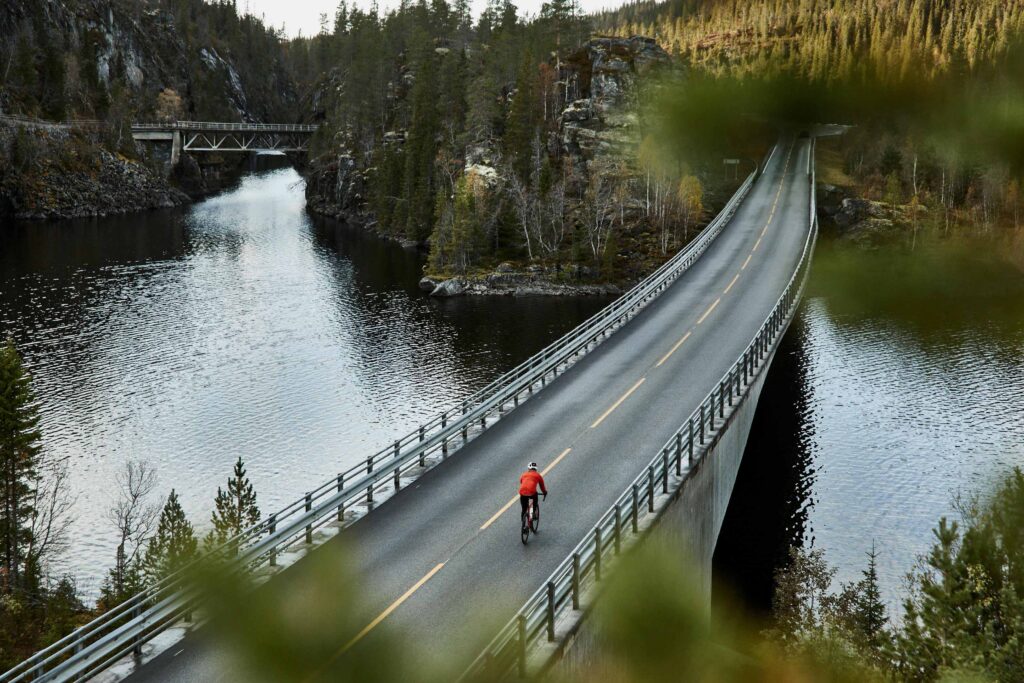
Winter changes everything in cycling.
Not just the landscape.
Not just motivation.
But the way the body interacts with the bike.
Cold temperatures, layered clothing, reduced blood flow, and longer periods spent in static positions all amplify one critical factor: comfort. In winter, discomfort doesn’t arrive gradually – it arrives faster, lasts longer, and has a greater impact on performance, consistency, and enjoyment.
This is why winter riding isn’t just a test of willpower.
It’s a test of engineering.
Why Comfort Matters More in Cold Conditions
When temperatures drop, the body responds by prioritizing heat conservation. Blood flow to extremities is reduced, muscles warm up more slowly, and sensitivity increases in key pressure zones.
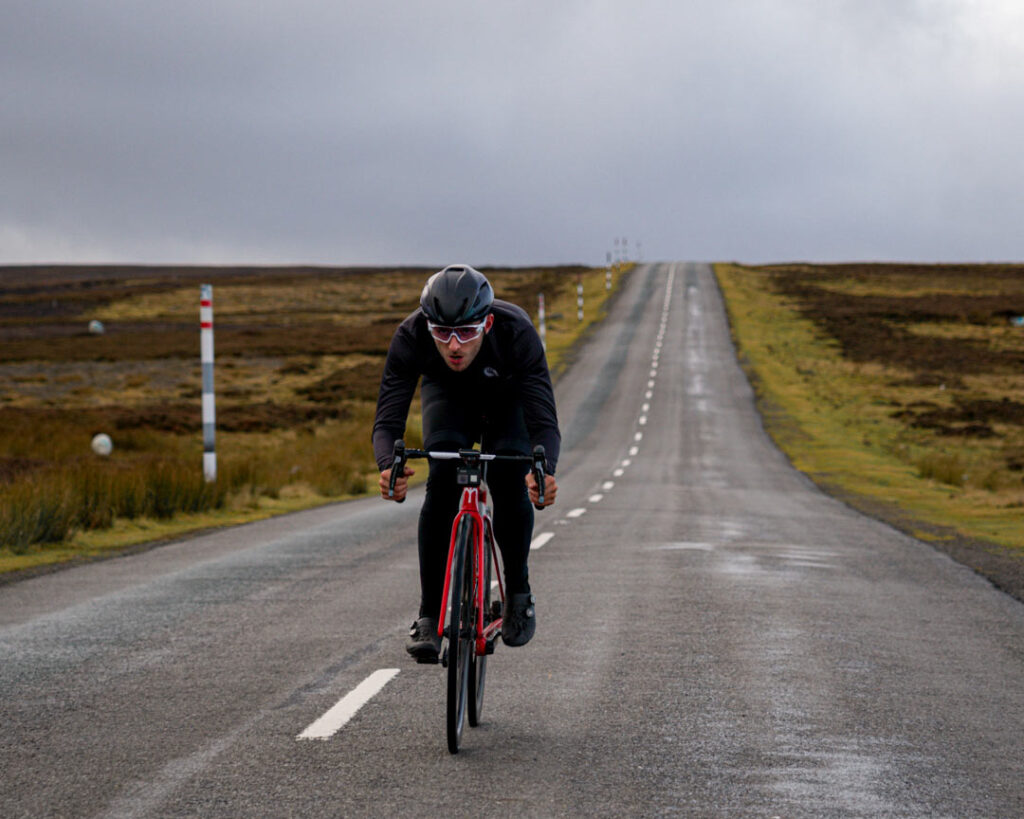
During two- to four-hour rides – the ones where you really get into your groove – your body frequently changes posture: climbs, descents, intense stretches, and relaunches. Under these conditions, the pad must accommodate every movement without losing support.
On the bike, this translates into:
- Higher saddle pressure due to reduced circulation
- Greater friction caused by multiple clothing layers
- More static riding positions, especially during winter training and indoor sessions
In these conditions, even minor inefficiencies in saddle contact can quickly evolve into pain, numbness, or irritation. What might be tolerable in summer becomes a limiting factor in winter.
Comfort is no longer a “nice to have”. It becomes essential infrastructure.
The Engineering Behind Endurance
At Elastic Interface®, comfort is not about softness.
It’s about function.
A cycling chamois is a biomechanical interface – the critical point where body weight, pedaling force, and movement converge. True comfort comes from understanding how cyclists move, where pressure is generated, and how support must adapt dynamically throughout the ride.
Advanced chamois technology works by:
- Distributing pressure intelligently reducing peak load in sensitive areas
- Supporting natural movement rather than restricting it
- Maintaining breathability and moisture control even under layered winter kits
This is why a well-engineered chamois doesn’t simply “cushion” the ride – it actively collaborates with the cyclist’s physiology, enabling longer efforts with less fatigue.
Endurance begins at the point of contact.
Indoor vs Outdoor Winter Riding: Two Different Challenges
Winter training often splits into two distinct environments: indoor and outdoor. Each presents unique comfort demands.
Indoor Cycling: Controlled Conditions, Concentrated Stress
On a trainer, variables like wind, terrain, and micro-position changes disappear. Power output becomes more consistent – but so does pressure.
Indoor sessions typically involve:
- Prolonged seated positions
- Increased heat and humidity
- Limited airflow
Without proper chamois construction, heat buildup and sustained pressure can quickly compromise comfort and focus. Purpose-built solutions designed for indoor riding manage moisture, reduce friction, and maintain stability during high-cadence, high-intensity efforts.
Outdoor Winter Riding: Cold, Vibration, and Duration
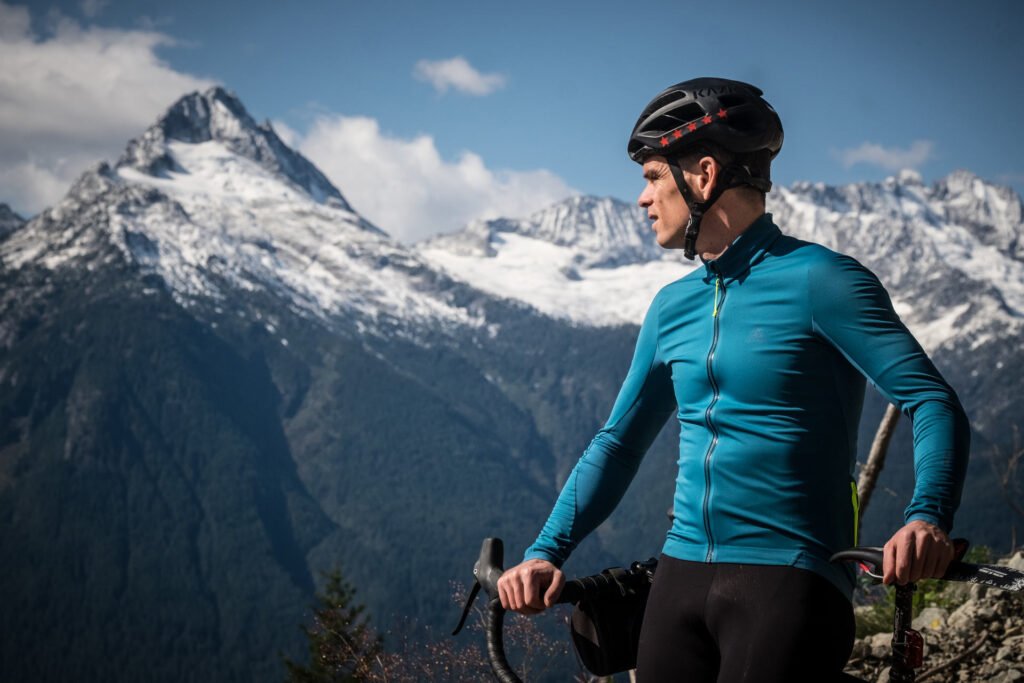
Outdoor winter rides introduce:
- Cold-induced stiffness
- Road vibration amplified by rigid winter setups
- Longer endurance sessions at steady intensities
Here, chamois technology must balance insulation with breathability, support with freedom of movement, and protection with adaptability.
One season. Two environments.
Different problems – engineered solutions
Designed for Movement, Even When You Move Less
Winter training often demands discipline over spontaneity. Rides are planned, structured, and sometimes mentally “negotiated” before they even begin.
This is where comfort plays a psychological role.
When a cyclist doesn’t have to worry about saddle discomfort, mental resistance decreases. Training becomes simpler:
- Get dressed
- Get on the bike
- Do the work
By removing friction at the contact point, comfort supports consistency – and consistency is where fitness is built.
In winter, progress isn’t made through heroic rides.
It’s made through repeatable ones.
Comfort Enables Community and Performance
Cycling is rarely a solitary experience. Group rides, training partners, and shared rituals are part of what keeps cyclists engaged – especially in colder months.
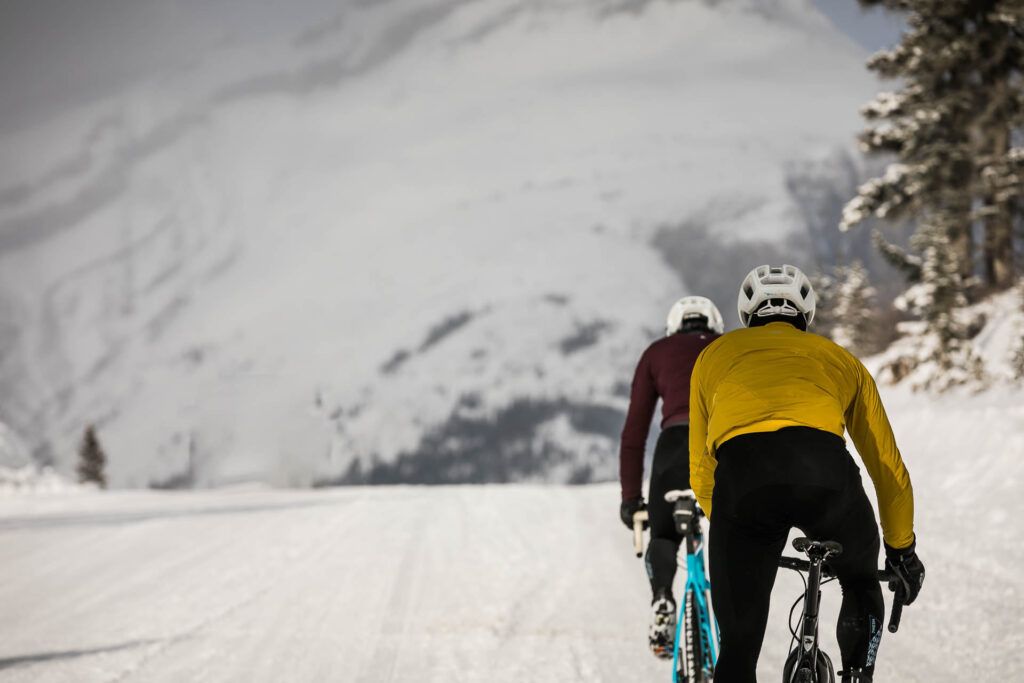
Discomfort isolates.
Comfort connects.
When saddle issues fade into the background, attention shifts outward:
- To the rhythm of the group
- To communication and shared effort
- To the simple pleasure of riding together
Comfort doesn’t just support performance.
It supports participation.
Comfort Is Not a Luxury. It’s Infrastructure.
In winter, the margin between cutting a ride short and pushing through is often measured in millimeters – the space between the cyclist and the bike.
The right chamois transforms cold-weather riding from a compromise into an opportunity:
- To train with intention
- To build resilience
- To arrive at spring stronger, not worn down
At Elastic Interface®, we engineer comfort as a foundation – season after season, ride after ride – because when comfort works, everything else becomes possible.
Discover more about Elastic Interface® comfort technology and how we design cycling solutions for every condition, discipline, and journey.